Martin Family History
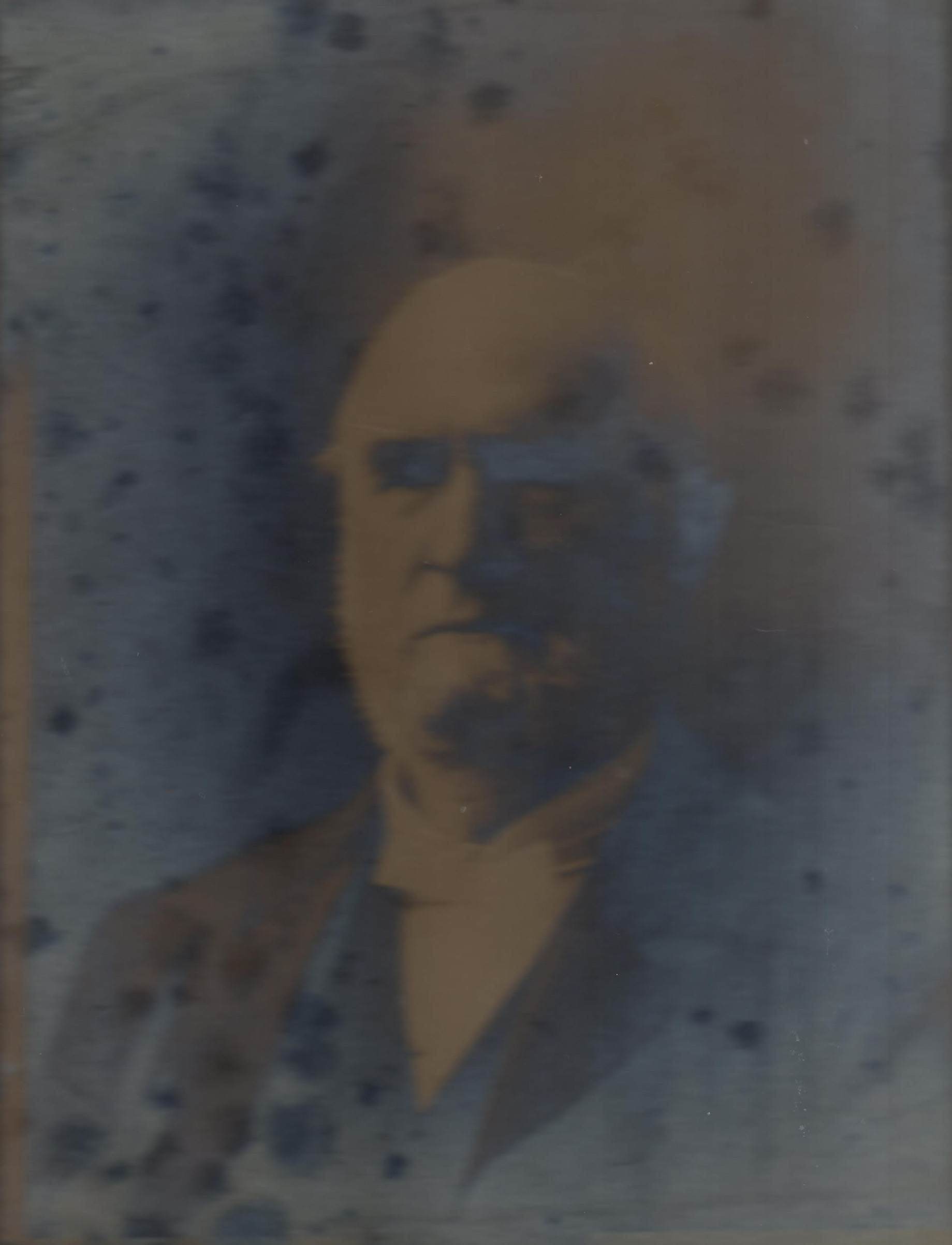
John Douglas Martin Sr.
Born: January 7, 1819 | Death: December 7, 1898 | Age: 79
John D. Martin was born in Greencastle, Fairfield County, Ohio, January 7, 1819. When a small boy his parents moved to Baltimore, same county, and he was employed by the contractors on the Ohio Canal to carry water to their workmen on the deep cut near Monticello. Here he attracted the attention of Na- thaniel R. Usher, who, as the canal neared completion, opened a store at the new town of Millersport.
Leaving Usher's employ he went with George B. Arnold to Utica, Licking County, Ohio, and clerked in his general store. A fellow-clerk was W. S. Rosen- crans, a boy about his own age, the future commander of the Army of the Cumberland.
John D. Martin came to Lancaster about the year 1836 and entered the store of Levi Anderson as clerk, going from Anderson to John H. Tennant. In 1840 M. B. Browning purchased the stock of Tennant, and conducted the business in the name of M. B. Brown- ing and Company, his clerks Martin and Stambaugh being the Company. Browning came from the East and was backed for a time by his uncles, one in Canton, Ohio, and two in New York, but he was not a success- ful business man. In a year or two the new concern failed and Stambaugh and Martin found themselves involved and liable for Browning’s debts. Stambaugh took the benefit of the bankrupt act and was released. Martin declined to do that and sent for Mr. Thayer, one of the creditors, a distinguished merchant of Phila- delphia. He came and examined the affairs of the firm and made a settlement, charging Martin with one- fourth of the indebtedness. This was settled by a long note, which Mr. Martin was several years in pay- ing. In the meantime he had commenced the study of the law under that eminent lawyer, John T, Brasee. Mr. Thayer gave him the books of the old concern to settle up, and so well did he perform the duty, that when admitted to the bar, collections came to him from all of the great houses of Philadelphia through the influence of Mr. Thayer. While studying law for two years he kept the books of Gilbert Devol. He was also interested to some extent in a tin store. He was admitted to the bar and practiced his profession for ten or twelve years. He was a business lawyer of rare ability and a very good advocate, and was em- ployed upon many important cases, with Brasee and Hunter as opposing counsel.
In 1854 S. C, Stambaugh returned from California with some ready money, and he induced Mr. Martin to join him and P. B. Ewing in a banking venture, In that year the exchange bank of Martin and Company was organized, ‘The agreement with Mr. Martin was that he should spend one hour each day in the bank, but Mr. Martin was one who could not trust import- ant matters to others when he could attend to them himself and he found it necessary to spend his entire time in the bank, and gave up his profession. This bank did a profitable business until the year 1864, when it was merged into the First National Bank of Lancaster, with Mr, Martin as president. Mr. Martin was a banker for thirty-two years, and handled millions of money without the loss of a dollar to any man. The year 1886 he sold his interest in the bank to S. J. Wright and retired permanently from business. In connection with his banking business, Mr. Martin was for many years a partner in a dry goods store, He had two or three ventures of this kind. He was also largely engaged in the milling business, in coal land speculations, and in mining and shipping coal on a large scale. His connection with the business interests of Lancaster covers a period of sixty years, years of toil and anxiety, prosperity and adversity. He was for many years a member of the school board and al- ways took a lively interest in our schools, He was a Republican politician, one of the leaders in this county. He is a good speaker, and his voice was heard in the dark days of the rebellion in support of the govern ment and our army in the field. His career is an in- spiring one from a penniless boy to honorable old age. Mr. Martin was an able adviser, and his advice was sought by many business men. Senator Ewing had a high opinion of his ability, and frequently sought his advice, a compliment that was appreciated. In the quiet of his home with his family and books, he spends the declining years of his life, taking a summer trip to Middle Bass, Lake Erie, where he finds congenial spirits.